Prices rise when everyone needs the same thing at once. Preparing for winter in autumn saves money and stress.
Here is a checklist of winter expenses you can work through, with the cost impact of each item.
List 1: what should you check at home?
| Item | What to do | Cost impact |
|---|---|---|
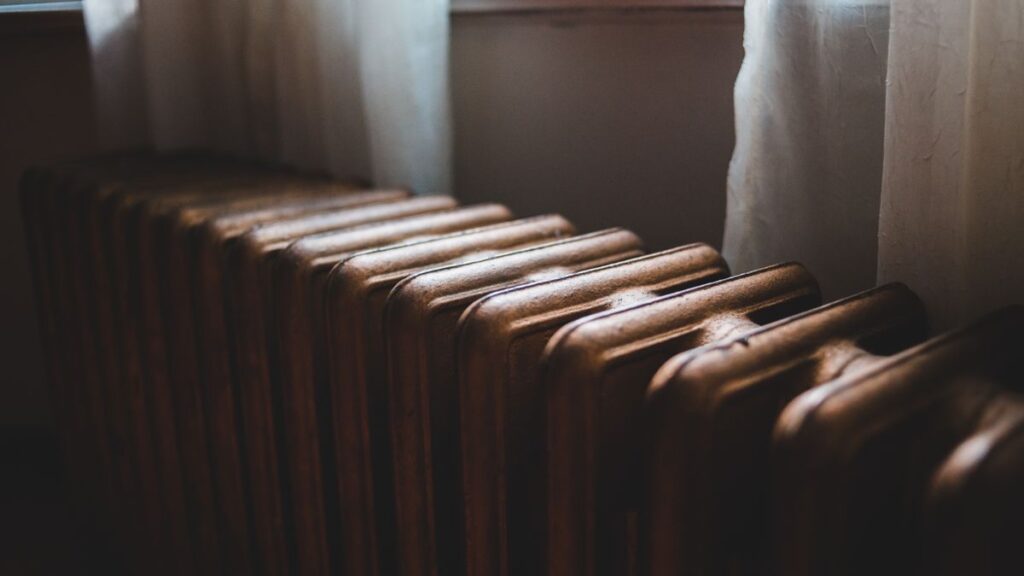
| Heaters and stoves | Test and clean before you need them | Low |
| Windows and doors | Seal gaps | Low, big saving |
| Curtains | Use thick ones and close them early | Low |
| Geyser | Fit a blanket, check the thermostat | Low |
| Roof and leaks | Fix before the rain | Medium, prevents damage |
| Safety | Check smoke alarms and avoid unsafe heating | Low |
See saving electricity and winter budget.

List 2: what should you check for the family?
| Item | What to do |
|---|---|
| Blankets and bedding | Count what you have, wash and mend |
| Warm clothing | Check sizes, buy second-hand, hand down |
| School items | Jerseys, tights, jackets. Check the uniform list |
| Shoes | Dry and waterproof pairs |
| Health | Stock basic cold and flu supplies, check clinic details |
List 3: what are the money tasks for winter expenses?
- Estimate the winter electricity bill, using last year’s highest month.
- Set aside the difference each month before winter.
- Plan clothing and blankets across several months.
- Check medical cover and clinic options. See medical costs.
- Keep a small buffer for the unexpected.
Here is a hypothetical example. If winter electricity is R500 higher than summer for three months, that is R1,500. Add R600 for blankets and jerseys and R300 for cold and flu supplies.
The total winter expenses are R2,400, or R400 a month if you start six months ahead.
If you use prepaid electricity, buy a bit extra early in the month so a cold spell does not catch you with an empty meter.
What can you do this week?
- Pick the three items from the lists above that cost the least and do them first.
- Write down last winter’s highest electricity bill.
- Start a small debit order for winter, even R100.
Small steps now beat a rush in the first cold week.
How do you buy for less?
- Buy off-season for next year.
- Use second-hand shops and swaps.
- Compare prices at wholesalers.
- Share bulk buys.
What about transport?
Cold and wet weather can mean slower travel and higher fares. Plan extra time, check tyres and share lifts. See saving for a car if you rely on one.
What should you avoid?
- Loans for heaters and winter extras. A first one-month R1,000 loan costs about R309 at the legal maximums. See emergency loans.
- Unsafe heating methods, such as burning charcoal in closed rooms.
- Buying on credit at high interest.
What if you cannot afford the bills?
Talk to your municipality about arrangements before disconnection. See what to do when you cannot pay your debts. The Eskom website lists tariff information for its direct customers.
What could winter expenses add up to for a family?
Here is a hypothetical total for a family of four, for the three coldest months. It shows why saving early makes it manageable.
| Item | Cost |
|---|---|
| Extra electricity, R500 a month for 3 months | R1,500 |
| Blankets and bedding | R600 |
| Jerseys and warm clothing | R800 |
| Cold and flu supplies | R300 |
| School winter items | R400 |
| Total | R3,600 |
If you start in October and save for eight months, that is R450 a month. If you wait until June, the same R3,600 is more than a month’s food budget for many households.
Write your own list, and divide it by the months you have. Winter expenses are only a surprise if you do not plan for them.
What can you do about health in winter?
Colds and flu hit when it is cold, and a sick day often costs a day’s pay. A few habits lower the risk:
- Wash hands often, and keep children’s hands clean.
- Keep rooms ventilated, but warm enough, and dry wet clothes quickly.
- Eat meals with vegetables, such as soups and stews.
- Ask your clinic whether free flu vaccination is available for you or your family, because some groups qualify.
- Keep basic supplies at home: pain relief, tissues and rehydration salts.
If a family member is ill for several days, see a clinic early. A cheap visit today is better than an expensive emergency later. See medical loans for what to try before you borrow.
Which winter fixes cost the least?
Here is a list sorted by cost. Start at the top, and work down as your budget allows.
| Cost | Fix |
|---|---|
| Free | Close curtains at sunset, wear layers, shut off unused rooms and use sunny hours to open windows |
| About R50 | Draught strips for doors |
| About R100 | Hot water bottles and a second blanket |
| About R200 | A geyser blanket and pipe insulation |
| About R500 | Window film or thicker curtains |
Heating is the most costly option, so save it for last. Doing the first three items makes the later ones more effective, because a sealed room holds heat longer.
How do you buy winter clothes for children for less?
Children grow fast, so buying new is expensive. A few ideas:
- Buy one size up, and use layers, so a jersey lasts two winters.
- Swap with other parents at school or church.
- Buy at the end of the season for next year, when prices drop.
- Buy one good coat, and add cheaper layers underneath.
- Wash and mend items before replacing them.
Check the school uniform list before you buy, so that you do not pay twice. See school fees in January for more on uniform costs.
How do you stop prepaid electricity from running out in a cold snap?
A cold week can use units twice as fast. Prepaid users can protect themselves by buying a little more each week instead of one large amount at the start of the month, and by keeping a reserve for emergencies.
Check the meter every few days in winter, and set a phone reminder. See winter budget for how to plan the whole season, and saving electricity for ways to use fewer units.
What should you check once the cold has started?
When the first cold snap arrives, run a quick review. Check how many units your meter used in the first week, and compare it with your winter expenses plan. Check whether the children’s clothes still fit. Look for damp patches or draughts you missed.
Adjust early, while there is still time to buy cheaply. If your winter expenses are running higher than planned, cut one non-essential cost for the season and write down why.
Frequently asked questions
When should I start preparing for winter expenses?
Early autumn, or earlier if you want to spread the cost.
What is the biggest winter cost?
Usually electricity.
Is it cheaper to buy clothes now or later?
Buying early or second-hand is often cheaper.
How do I keep warm cheaply?
Layers, blankets, insulation and heating one room.
How early should I start saving for winter expenses?
As early as you can. If you start in summer, a few hundred rand a month covers a typical set of costs.
What is the most expensive winter cost?
Usually electricity, especially from heaters and geysers. Reduce those first, and use blankets and layers before you heat a room.
One free 5-minute form is sent to NCR-registered lenders. Each lender decides for itself and shows you the full cost before you sign.
Start my free application