Instant Fund

How to Save Electricity and Cut Your Winter Bill

Financial Tips

How to Save Electricity and Cut Your Winter Bill

SSSipho Shongwe·June 27, 2024·13 min read
How to Save Electricity and Cut Your Winter Bill
Quick answer: To save electricity in winter, target the two biggest users first: your geyser and your heating. Lower the geyser temperature, take shorter showers, heat only the room you are in, switch appliances off at the wall, and wash in cold water with full loads. Small habits repeated daily add up to a noticeably lower bill. Exhaust the free changes before spending on solar or gas, and use prepaid or your bill to keep your usage visible.

Every winter the same thing happens. The days get shorter, the heaters come on, the showers get longer and hotter, and the electricity bill climbs like it has a grudge. For a lot of South African households, that winter spike is one of the most painful line items of the year, and it arrives right when everything else feels tight too.

The good news is that most of that bill is under your control, far more than people assume. You do not need to freeze in the dark to save electricity; you need to know where the power actually goes and change a few habits around the big users. This guide shows exactly where your money is disappearing and what to do about it, starting with the free changes that make the biggest difference.

Why winter bills spike so hard

Understanding the spike is the first step to beating it. In winter, two things happen at once: you need far more hot water and heating, and those are already your biggest electricity users. Cold mornings mean longer, hotter showers; cold evenings mean heaters running for hours. The demand does not rise gently, it jumps, and so does the bill.

On top of that, the days are shorter, so lights burn longer and everyone spends more time indoors with appliances on. None of this is mysterious, but seeing it clearly matters, because it tells you exactly where to aim. If you want to save electricity in winter, you do not spread your effort thinly across everything; you go straight for hot water and heating, where the real money is being spent, and leave the small stuff for later.

Where your electricity actually goes

Where home electricity typically goes

Before changing anything, it helps to know the rough breakdown of a typical home. Heating water through the geyser is often the single largest slice, frequently around 40% of the bill. Space heating is another big chunk in winter. Then come the fridge and everyday appliances, and finally lighting and the miscellaneous bits that people tend to obsess over but which matter least.

This breakdown is the whole strategy in one picture. It tells you that turning off a light saves a little, while shortening a shower or adjusting the geyser saves a lot. People often pour effort into the smallest categories and ignore the biggest, then wonder why nothing changes. To save electricity efficiently, match your effort to where the power goes, big users first, small ones last. Get that order right and the results come quickly.

The geyser: your silent giant

If there is one place to start, it is the geyser. Because heating water eats such a large share of your bill, small changes here save electricity out of all proportion to the effort. Lowering the thermostat to a sensible level, rather than scalding, cuts consumption without you really noticing. Insulating the geyser and the first stretch of hot-water pipe helps it hold heat longer.

Then there are habits. Shorter showers instead of long ones, and baths only occasionally, make a real difference over a month. You do not need to suffer cold water; you need to stop heating far more than you use. Many households find that geyser changes alone shift their winter bill more than every other tweak combined. If you only tackle one thing to save electricity this winter, make it the geyser, and you will feel it.

Heating a home more smartly

Space heating is the other winter giant, and the key idea is simple: heat people and rooms you are using, not the whole house. A heater running in an empty lounge is money burning. Close doors to keep warmth where you are, and heat one room well rather than several badly. Layering up with warm clothes and blankets lets you run heaters lower for less time.

Draughts undo heating fast, so blocking gaps under doors and around windows keeps the warmth you have paid for inside. None of this means being cold; it means being deliberate. The goal is comfort with less waste. Done together, these heating habits save electricity steadily through the coldest months, and they cost nothing beyond a bit of attention and maybe a draught excluder made from a rolled-up towel.

Daily habits that quietly save electricity

Daily habits that save electricity

Beyond the two giants, a set of small daily habits adds up more than people expect. Switch appliances off at the wall rather than leaving them on standby, since many draw power even when idle. Run washing machines and dishwashers only with full loads, and wash clothes in cold water where you can, since heating the water is most of the cost.

Use natural light during the day instead of switching lamps on, and turn lights off when you leave a room, an old rule that still holds. Boil only the water you need in the kettle. Each of these is tiny on its own, which is why people dismiss them, but repeated every day across a household they genuinely save electricity. The households that pay least are not doing one heroic thing; they are doing a dozen small things automatically.

Cheap, once-off changes

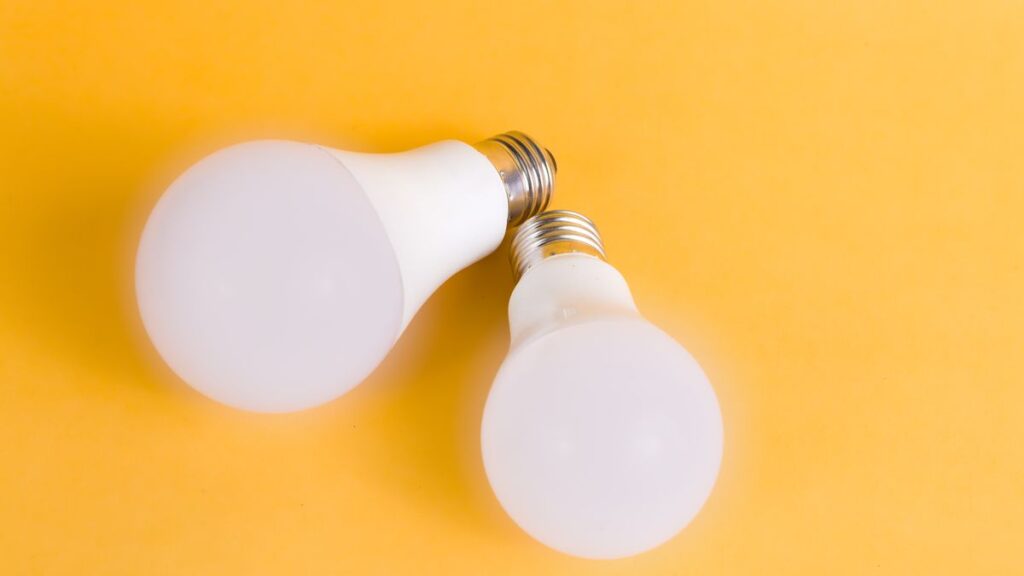
Some changes cost a little upfront but keep saving for months. Swapping old bulbs for LEDs is the classic example: cheap, quick, and they use a fraction of the power for the same light. A geyser blanket and pipe insulation are inexpensive and pay for themselves through the winter. Draught-proofing strips for doors and windows cost little and cut heating waste.

These are the sweet spot between free habits and big investments, small outlays that save electricity reliably without a major decision. If you have a little to spend, this is where it goes furthest. Work through them once and you lock in savings you will barely have to think about again, which is exactly the kind of low-effort, lasting change a tight winter budget appreciates most.

Are solar and gas worth it?

Eventually people ask about the bigger moves: solar panels, gas geysers, gas stoves. These can genuinely cut a bill and reduce your exposure to price rises and outages, but they carry real upfront costs and are longer-term decisions. They are worth considering, but not before you have done the free and cheap things, because those save electricity immediately with no outlay.

If you are already switching off at the wall, running an efficient geyser, and heating smartly, and your bill is still heavy, then it may be time to look at solar or gas as the next step. Think of it as a sequence: habits first, cheap fixes second, big investments last. Skipping to the expensive step while still wasting power daily is the wrong order, and an easy way to overspend on a solution before you have tried the free ones.

Reading your usage and staying aware

You cannot manage what you do not measure. Whether you are on a monthly account or prepaid, paying attention to your usage is one of the most effective ways to save electricity, because awareness changes behaviour. Prepaid users often use less simply because they watch the units drop and feel each one. If you are on an account, glancing at your bill each month tells you whether your changes are working.

Try noticing what happens to your usage when you change one habit, so you can see which efforts pay off most in your home. Every house is a little different. This feedback loop turns saving from a guessing game into something you can actually steer, and it keeps you motivated, because watching the bill fall is the reward that makes the habits stick through a long, cold winter.

Electricity-saving myths to ignore

Common electricity-saving myths

A few stubborn myths waste people’s effort. That leaving a light on saves more than the switch does, it does not, switch it off. That an appliance turned off uses nothing, many draw standby power, so the wall switch matters. That the geyser must stay on all day or you will run out, in most homes it can be managed without constant heating.

And the most defeating myth of all: that small savings are not worth bothering with. They are exactly what add up. Believing these myths leads people either to waste power or to give up trying. The truth is more encouraging, you can save electricity meaningfully without discomfort or big spending, as long as you ignore the folk wisdom and focus on where the power really goes.

Fitting bill savings into your budget

Cutting your electricity bill is not just about the power; it is about the money it frees up. Every rand you stop spending on electricity is a rand that can go somewhere useful, savings, debt, a cushion for the next surprise. That is why saving on bills belongs in the same conversation as the rest of your finances, not in a separate box.

Our guide on how to budget shows how to redirect those savings deliberately rather than letting them quietly leak back out. Trimming a bill only helps if the freed-up money goes somewhere with a purpose. Pairing the habits here with a plan for the savings, and the broader money habits that support them, is how a lower winter bill turns into real, lasting progress rather than a one-off win. For managing money well overall, a healthy credit record works alongside lower bills to keep you in control.

People also ask

What uses the most electricity in a house? Usually the geyser and heating, followed by the fridge and appliances. Targeting the big users is how you save electricity fastest.

Does unplugging chargers save power? A little, since some draw standby current. It is a small win, but part of the many-small-things approach that adds up.

Is it cheaper to heat one room? Yes, far cheaper than heating the whole house. Heat where you are and close doors to keep the warmth in.

How quickly will I see savings? Often within a billing cycle, especially after geyser and heating changes. Watching your usage confirms which habits work best in your home.

Frequently asked questions

What is the easiest way to save electricity in winter?

Start with your geyser and heating, since they use the most. Lower the geyser thermostat, take shorter showers, and heat only the room you are in rather than the whole house. These few changes save electricity faster than fiddling with anything else, because they target where the power actually goes.

Does switching appliances off at the wall really help?

Yes. Many devices draw standby power even when off, and over a month that quietly adds up. Switching off at the wall, especially TVs, chargers and the like, is one of the simplest ways to save electricity, and it costs you nothing but the habit of flicking a switch.

How much can a geyser add to my bill?

Heating water is often the single biggest slice of a home electricity bill, sometimes around 40%. That is why the geyser is the first place to look if you want to save electricity. Lowering its temperature and insulating it can make a noticeable dent in winter costs.

Do energy-saving light bulbs make a difference?

They help, though lighting is a smaller share of your bill than heating or hot water. Swapping to LED bulbs is a cheap, once-off change that saves electricity steadily over time. It will not transform your bill alone, but combined with bigger changes it all adds up.

Is prepaid electricity cheaper than a monthly account?

Not inherently cheaper per unit, but prepaid makes your usage visible, which often helps people save electricity simply by being more aware of what they are spending. Watching the units tick down is a surprisingly effective nudge to switch things off and use less.

Should I invest in solar or gas to cut my bill?

They can pay off over time, but they are bigger decisions with upfront costs. Before spending, exhaust the free and cheap habits first, since they save electricity immediately with no outlay. Treat solar or gas as a later step once the easy wins are already in place.

Why does my bill spike so much in winter?

Because heating and hot water demand climb sharply when it is cold, and those are your two biggest users. Shorter, colder days mean more lights and heaters running for longer. Knowing this is half the battle, since it tells you exactly where to save electricity first.

Do small savings actually add up?

They really do. A shorter shower here, a switched-off plug there, a cooler wash, each seems tiny, but repeated daily across a household they compound into a meaningfully lower bill. The people who save electricity most are not doing one big thing; they are doing many small things consistently.

Winter bill still stretching you thin?
If an unexpected cost hits, one free application compares NCR-registered lenders with the full cost shown upfront, so any borrowing is a considered choice.
Compare My Options Free

A simple winter plan to start today

If all of this feels like a lot, boil it down to a short plan and act on it this week. Day one, turn the geyser thermostat down and start taking shorter showers, since that alone will save electricity faster than anything else in the house. Day two, walk around and switch off everything on standby at the wall, then make it a nightly habit.

Day three, pick one room to heat well and close the doors around it, and dig out the warm clothes and blankets so you can run the heater lower. Over the weekend, fit a couple of LED bulbs and block the worst draughts. That is the whole plan, and each step is designed to save electricity with little or no cost. You do not have to do everything at once; you just have to start, and let the habits build. Within a billing cycle you should see the effort to save electricity show up as a smaller number, and that first visible drop is usually all the motivation you need to keep the new habits going and to save electricity right through the season.

Final thoughts

A high winter electricity bill can feel like something that just happens to you, but most of it is within your control. Aim at the geyser and heating first, build a handful of daily habits, make a few cheap once-off changes, and stay aware of your usage. None of it requires suffering in the cold or spending a fortune; it requires knowing where the power goes and being consistent.

Start this week with the geyser and one heating habit, then add the small changes over the coming days. To save electricity is really to reclaim money that was quietly slipping away, money far better spent on your goals than on heating an empty room. Do it steadily and next winter’s bill will look very different. For practical, official energy-saving guidance, Eskom publishes tips worth a look.

InstantFund is a free loan-matching and comparison service, not a credit provider, bank or lender, and does not provide financial advice. Energy-saving guidance here is general information only. If you choose to borrow for an unexpected cost, loans are provided by NCR-registered credit providers, and you should borrow only what you can comfortably repay.

Leave a Reply

Your email address will not be published. Required fields are marked *