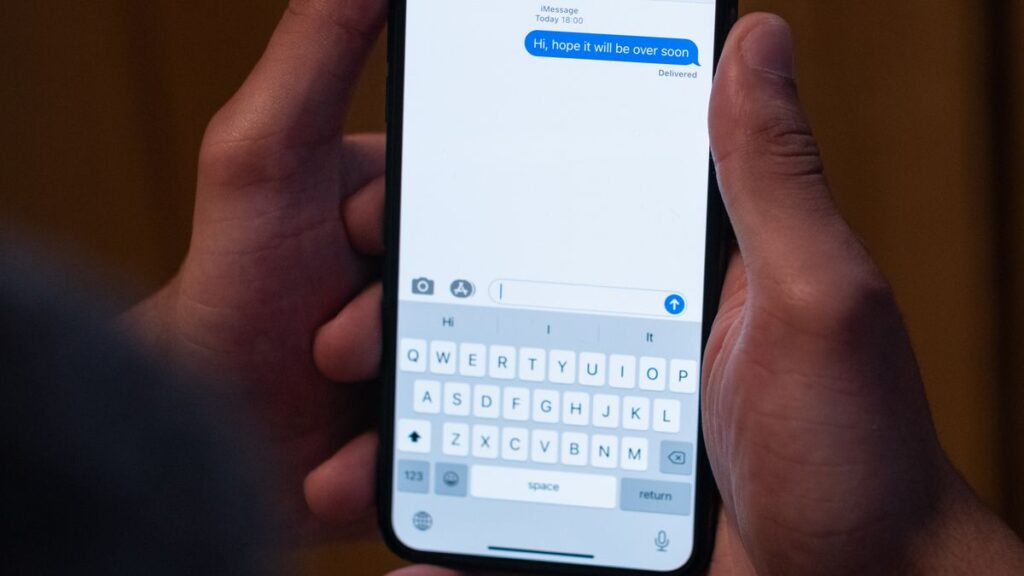
A message arrives: “Your loan of R10,000 is approved. Reply to claim.” You did not apply.
That is how most WhatsApp loan scams start. Here is how they work, what they want and what to do.
How do WhatsApp loan scams work?
- The first message. A stranger or a “lender” messages you, or you click an advert that opens a chat.
- The hook. You are told you are pre-approved, or that approval is quick with no checks.
- The request. You are asked for your ID, a selfie with your ID, bank details or a “refundable” fee for insurance, admin or release.
- The trap. The money never arrives, more fees are demanded, or your identity is used for fraud.
What are the 7 warning signs?
| Sign | Why it matters |
|---|---|
| You did not apply | Genuine lenders do not start with an unsolicited “approval” |
| Approval with no assessment | Registered lenders must assess affordability |
| A fee before payout | Genuine lenders do not charge upfront |
| A request for your PIN or an OTP | Banks and lenders never need them |
| A personal number, not a company line | Scammers hide behind chat profiles |
| Pressure and deadlines | Designed to stop you thinking |
| Poor spelling and odd logos | Often copied from real lenders |
A selfie holding your ID is exactly what fraudsters need to open accounts in your name. Do not send one to a stranger.
What should you do if you get such a message?
- Do not click links or open attachments.
- Do not reply with personal details.
- Block and report the number in WhatsApp.
- Check the lender yourself. Search the name on the NCR register, and contact it through its official website, not the chat.
What if you already replied or paid?
- Stop all contact and further payments.
- Tell your bank immediately and ask whether payments can be reversed.
- If you shared your ID or banking details, tell your bank and watch your accounts.
- Check your credit report for accounts you do not recognise. See free credit reports.
- Report it to the police and the National Credit Regulator.
- Keep screenshots as evidence.
If your ID was shared, consider free Protective Registration with the Southern African Fraud Prevention Service.
How can you tell a real lender from a fake one?
A real lender:
- Is registered with the NCR and shows its number.
- Has a website, address and phone number that you can verify.
- Gives you a quote before you sign. See the guide to the pre-agreement quote.
- Does not ask for fees before payout.
See how to find a legitimate urgent cash loan provider for a seven-point check.
How do you protect yourself in general?
- Use WhatsApp privacy settings to limit who can add you to groups.
- Keep your OTPs and PINs private.
- Be careful of “too good to be true” offers.
- Talk to someone you trust before you act.
Read more in online loan scams and loan sharks.
What does a typical chat in WhatsApp loan scams look like, line by line?
Here is a made-up chat, showing what scammers say and what each line is for. The details change, but the shape rarely does.
| What they say | What it is for |
|---|---|
| “Congratulations, you are approved for R15,000.” | You never applied, so nobody has assessed you |
| “No credit check. Money in 15 minutes.” | Speed stops you checking |
| “Please send a clear photo of your ID and a selfie holding it.” | Material to open accounts in your name |
| “Pay R450 for insurance, refundable after payout.” | The real aim: your money |
| “There is a problem. Pay R900 for tax clearance.” | The next fee, because you already paid once |
| “Hurry, the offer expires in one hour.” | Pressure to stop you thinking |
If you spot more than one of these in a chat, stop. You do not owe the person a reply, and you do not have to explain why you are leaving.
What can someone do with a selfie holding your ID?
Fraudsters use that image to pass checks at other businesses, open accounts, apply for credit or take over a phone number. That is why the selfie is the most valuable part of the scam, more than a R450 fee.
If you sent one, take these steps today:
- Register with the Southern African Fraud Prevention Service for free Protective Registration.
- Request your free credit reports and look for accounts you do not recognise. See free credit reports.
- Tell your bank, and ask about extra security on your accounts and SIM.
- Report the number to WhatsApp, the police and the National Credit Regulator.
Check your credit report again in a month, because new accounts can take time to appear.
How do you report WhatsApp loan scams inside the app?
Reporting helps protect others, and it takes a minute:
- Open the chat and tap the contact’s name.
- Choose the option to report, and send the chat to WhatsApp for review.
- Block the contact.
- Take a screenshot before you delete anything, and keep it as evidence.
You can also forward the details to the NCR and file a case with the police. A case number helps if your bank asks for one.
How do you limit who can reach you?
Many scam chats start because you were added to a group or found by a stranger. In WhatsApp’s privacy settings, you can usually limit who can add you to groups, and who can see your profile photo and status.
Setting “who can add me to groups” to your contacts only stops most unwanted group invitations.
Treat links in groups the same way you treat links in messages. If someone you know shares a loan link, call them first. Their account may have been taken over. See loan apps if the link leads to an app you are asked to install.
How can you help a family member caught by WhatsApp loan scams?
People who lose money to a scam often feel ashamed. A calm response helps more than a lecture. Offer these steps in order:
- Ask them to stop all contact and payments.
- Help them contact their bank and write down what was sent.
- Help them check their credit report and register with SAFPS.
- Report the case together.
- Talk about the warning signs afterwards, without blame.
The sooner the bank hears, the better the chance of limiting the damage. Share the “no fee, no PIN, no pressure” rule with your family, and talk about WhatsApp loan scams before they arrive.
Frequently asked questions
Can I get my money back after WhatsApp loan scams?
Sometimes, if you tell your bank quickly. Recovery is not guaranteed, so act fast and keep evidence.
Is a lender allowed to message me first?
A registered lender can advertise, but a message that says you are approved for a loan you never applied for is a red flag.
Where can I report a scam?
Your bank, the police and the National Credit Regulator. Report the number in WhatsApp too.
Is it safe to send my ID on WhatsApp?
Only to a lender you have verified, and only if you started the application. Never send a selfie holding your ID to a stranger.
Can I block a whole group of scam numbers?
You can block and report each number. If you are added to a group by a stranger, leave and report it.
Will the police act on whatsapp loan scams?
A case number helps your bank, and reports build a record of the numbers involved. Keep your evidence and report it.
One free 5-minute form is sent to NCR-registered lenders. Each lender decides for itself and shows you the full cost before you sign.
Start my free application