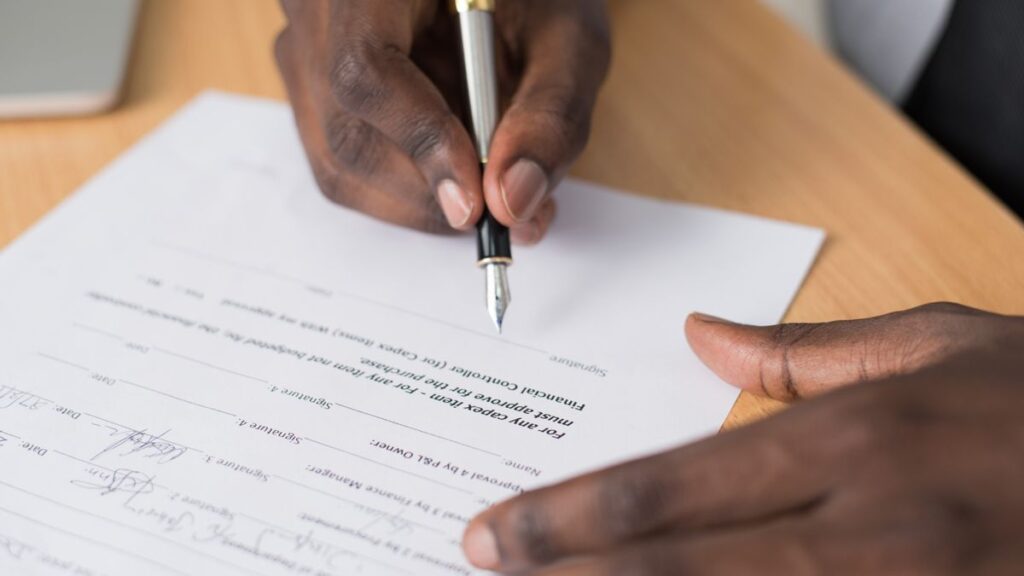
Most everyday borrowing is unsecured. You borrow, you repay, and no car or house is pledged. That sounds lighter, but unsecured loans have their own risks.
Here is how unsecured loans work and when they make sense.
What are unsecured loans?
A loan where the lender has no claim over a specific asset. You may already have some:
| Debt | Secured or unsecured |
|---|---|
| Personal loan | Unsecured |
| Credit card or overdraft | Unsecured |
| Store account | Unsecured |
| Payday or other short-term loan | Unsecured |
| Car finance | Secured on the car |
| Home loan | Secured on the property |
How do they differ from secured loans?
| Point | Unsecured | Secured |
|---|---|---|
| Security | None | Car, home or other asset |
| Price | Often higher | Often lower |
| Amount | Often smaller | Often larger |
| If you default | Legal action to recover the debt | The lender may repossess the asset and sue for any shortfall |
Secured loans often cost less because the lender carries less risk. See repossession.

Why do they cost more?
The lender carries the risk of non-payment without an asset to recover value from. It prices that risk into the interest and fees, within the legal caps.
The National Credit Act caps interest, the initiation fee and the monthly service fee for unsecured credit. Check the NCR for the current limits. See interest rates for how a rate turns into rand.
What do lenders look at before approving?
- Your income and its stability.
- Your expenses and existing debt.
- Your credit record.
- Your bank statements.
Under the National Credit Act, a lender must assess affordability. See loan affordability.
What are the 5 risks of unsecured loans?
- High cost on small, short loans. See a R1000 loan.
- Stacking debts. See multiple loans.
- A damaged record if you miss payments.
- Legal action. A creditor can go to court for a judgment, then use tools such as a garnishee order. See judgment debt.
- Harassment from collectors if an account goes unpaid. See debt collectors.
“Unsecured” does not mean “without consequences”.
What happens if you cannot repay?
The usual order is a letter of demand, a section 129 notice, a summons, a court judgment and then enforcement. At the start you still have options, such as asking for a payment plan or applying for debt review.

Read section 129 notices to see what to do in the first ten business days.
When can they make sense?
- A planned, one-off cost you can repay on time.
- A small emergency, after you have tried cheaper options. See emergency loans.
- When the loan is cheaper than the alternative, such as a penalty or disconnection fee.
How do you compare quotes?
- Get quotes from more than one NCR-registered lender.
- Compare the total repayment in rand.
- Check fees, insurance and early settlement terms. See settling a loan early.
- Make sure the instalment fits your budget with room to spare.
If you have a dispute, use the Credit Ombud. See your rights under the National Credit Act.
Which unsecured loan fits which need?
Unsecured loans come in several shapes. Matching the product to the need keeps the cost down.
| Need | Product that often fits | Why |
|---|---|---|
| A planned cost, repaid over a year or two | Personal loan | Fixed instalments and a known end date |
| Everyday purchases you clear each month | Credit card | Cheap if paid in full before interest starts |
| A shortfall of a few days | Overdraft | Interest only for the days you use it |
| Buying goods in a shop | Store account | Convenient, but check the interest |
| A small urgent gap until payday | Short-term loan | Fast, but expensive per rand |
The cheapest unsecured loan is usually the one you do not need. Before you apply, ask whether a different option from the table would cost less for the same need.
How much of your pay do your unsecured loans already take?
Add up every unsecured repayment you make each month and compare it with your take-home pay. Here is a hypothetical household.
| Item | Amount |
|---|---|
| Take-home pay | R12,000 |
| Credit card minimum | R400 |
| Store account | R300 |
| Personal loan | R1,200 |
| Unsecured repayments | R1,900 |
R1,900 is about 16% of R12,000, which leaves R10,100 for everything else. There is no official limit, but the warning signs are clear: using credit for groceries, paying one card with another, or needing a new loan each month to cover the old ones.
If you see any of those, speak to a debt counsellor before you take another loan.
What does the legal path look like if you stop paying?
For unsecured loans, the usual path is gradual, which gives you time to act:
| Stage | What it means |
|---|---|
| Missed payments | The lender calls or writes and may add fees |
| Letter of demand | A formal request to pay what is owed |
| Section 129 notice | You get 10 business days to pay or propose a plan |
| Summons and judgment | A court decides, if the debt is still unpaid |
| Enforcement | For example a garnishee order that takes money from your salary |
You can act at any stage, and the cheapest time is the first one. Contact the lender, ask for a plan and keep proof. Our guides to section 129 notices and garnishee orders explain the later steps.
How can you reduce what unsecured loans cost you?
- Pay by debit order so that you never miss a date.
- Pay extra when you can, after you check the settlement terms.
- Ask for a settlement figure before you decide to pay the loan off.
- Compare a consolidation loan only if it lowers the total cost, not just the monthly amount. See debt consolidation.
Do not use a new unsecured loan to pay an old one without comparing the total repayment, because that usually raises the cost.
What should you ask before you take any unsecured loan?
Before you sign, ask yourself four questions, and answer them in writing:
- What is this loan for, and could it wait?
- What is the total repayment, and how much of that is cost?
- Which monthly expense will shrink to make room for the repayment?
- If my income fell for two months, what would I do?
An unsecured loan with clear answers to all four is a loan you have thought through. One with no answer to the last question is a risk you are taking without a plan.
Frequently asked questions
Is a payday loan an unsecured loan?
Yes. No asset is pledged.
Can an unsecured lender take my car?
Not directly. After a court judgment, a creditor can enforce against assets through the court process.
Are unsecured loans harder to get?
They can be, depending on your income and record. Approval is not guaranteed.
Is an unsecured loan cheaper than a credit card?
It depends on the rate and fees. Compare totals.
Which is cheaper, a secured or an unsecured loan?
Secured loans are often cheaper because the lender holds an asset as security. The risk for you is that you can lose the asset if you default.
Can a lender take my salary for unsecured loans?
Only after a court judgment, through a process such as a garnishee order. A lender cannot simply take money from your wages.
One free 5-minute form is sent to NCR-registered lenders. Each lender decides for itself and shows you the full cost before you sign.
Start my free application