
Tax year-end is easy to confuse with tax season. They are different. The year-end is the last day to do things that count for the year.
Tax season, months later, is when you report it. Here is what matters before the tax year-end on the last day of February.
What is the difference between tax year-end and tax season?
| Term | What it means |
|---|---|
| Tax year-end | The last day of February, when the tax year closes |
| Tax season | The period, from July, when you file your return. See tax season |
Anything you want to count for the tax year must be done by the year-end.
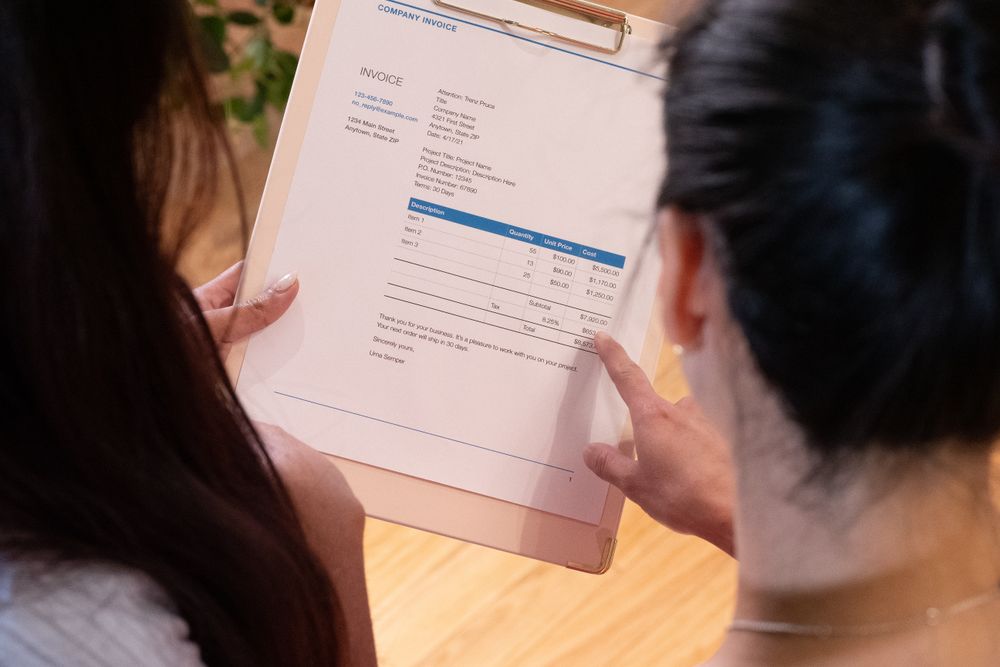
What are the 5 things to do before the last day?
| Action | Why it matters |
|---|---|
| Retirement annuity (RA) contributions | May reduce your taxable income, within SARS limits |
| Tax-free savings contribution | Counts towards the annual limit, now R46,000 a year |
| Medical expenses and certificates | Keep receipts and the scheme’s tax certificate |
| Travel logbook | If you claim business travel, make sure it is complete |
| Records | Gather and file your documents |
Limits and rules for deductions change. Check the SARS website or ask a tax practitioner.
What does the tax-free savings limit mean at year-end?
SARS raised the annual tax-free savings limit from R36,000 to R46,000 from 1 March 2026, so it applies to the tax year ending in February 2027. The lifetime limit is R500,000.
Unused allowance does not carry forward, so a contribution before the last day of February uses that year’s allowance. Read tax-free savings accounts for the rules and the penalty on excess contributions.
Is a last-minute contribution worth it?
It can be, if you can afford it and it fits your plan. Do not borrow to contribute. A loan costs more than the tax saving.
At the legal maximums, a first one-month R5,000 loan costs about R969. See what a R5,000 loan costs.
If you have a bonus or cash in February, a contribution can make sense. Ask your provider how long it takes to process, so the money lands before the last day.

What documents should you start gathering?
- Payslips, and the IRP5 you will receive after the year-end. See reading your payslip.
- Your retirement annuity certificate.
- Your medical aid certificate.
- Bank interest and investment certificates.
What should you avoid?
- Rushing and overpaying. Contribute only what you planned.
- Ignoring limits. Over-contributing to some products leads to penalties.
- Scams. SARS does not ask for passwords or send refund links. See online loan scams.
Put a reminder in your calendar for the first week of February. That gives you time to act before the last day.
How does tax year-end relate to your budget?
Tax-related contributions are part of your plan. Include them in your monthly budget instead of a February scramble. See how to budget.
How much tax can a retirement annuity contribution save?
Here is a hypothetical example, using an assumed marginal rate of 31%. You contribute R2,000 a month into a retirement annuity.
| Item | Amount |
|---|---|
| Contribution over the year | R24,000 |
| Possible tax saved at an assumed 31% | about R7,440 |
| Net cost of the contribution | about R16,560 |
SARS limits the deduction to a share of your income, up to a rand cap, so you may not be able to claim every contribution.
Check the current limits on the SARS website, or ask a tax practitioner, before you decide how much to put in. The tax saving is a reward for saving for retirement, not a reason to save more than you can afford.
What does a February calendar look like?
A little planning avoids the last-day rush. Here is a simple schedule for the weeks before the year-end.
| When | What to do |
|---|---|
| 1 February | Check your statements and the contributions made so far |
| First week | Ask your retirement annuity provider for its cut-off date |
| Second week | Decide whether to top up the tax-free savings account |
| Third week | Complete your travel logbook, if you claim business travel |
| Fourth week | Make any transfers, leaving at least three business days |
| 28 February | The tax year closes |
Banks and providers need time to process payments. A transfer made on the last afternoon may only reach the product after the year-end.
What does the penalty on excess tax-free savings look like?
The annual limit is R46,000, and the penalty on any excess is 40%. Here is a hypothetical example.
| Item | Amount |
|---|---|
| You contribute | R50,000 |
| Annual limit | R46,000 |
| Excess | R4,000 |
| Penalty at 40% | R1,600 |
The limit applies to your contributions across all tax-free accounts, not per provider. Add up everything you have paid in, including a monthly debit order and any lump sums. If you have two accounts, check both before you top up.
See tax-free savings accounts for how the limits work.
How do you check what you have contributed?
Do not rely on memory. Collect the figures before the year-end:
- Log in to each provider, and download the contribution statement for the tax year.
- Add the totals for all tax-free accounts, and compare them with the R46,000 limit.
- Do the same for your retirement annuity, using the provider’s tax certificate.
- Put the figures in one note, and keep it with your tax documents.
If you have contributed too much, contact the provider straight away. The earlier you ask, the more options you may have for correcting it. Tax year-end is also a good time to look at your overall plan. See how to budget and financial goals.
What should you do right after the tax year-end?
When the tax year closes, a few quick steps set you up for the next one. Check which contributions reached each product before the cut-off. Note the new annual limits that start on 1 March, and decide your contribution for the new year.
Then set up a monthly debit order instead of waiting for the next February.
Your employer will issue your IRP5 after the tax year-end, and funds and banks will send their certificates. Store them as they arrive. A calm start to the new tax year is easier than a rushed end to the old one.
What should you do if you miss the cut-off?
If the last day of February passes without a contribution you planned, do not panic. A contribution made after the year-end counts for the next tax year, so the money is not lost.
Set a reminder for the first week of February next year, and consider a small monthly debit order, so that you are never rushing at the last minute. A calm plan beats a costly scramble.
Frequently asked questions
Do I file my return in February?
No. February is the year-end. You file your return in tax season, which starts around July.
Can I still contribute after the year-end?
A contribution made after the last day of February counts for the next tax year, not the one that just closed.
What is the tax-free savings limit?
R46,000 a year from 1 March 2026, and R500,000 for life.
Who can help?
A tax practitioner, your product provider, or SARS.
Does my employer’s retirement fund count towards the limit?
Contributions to an employer fund follow different rules from a retirement annuity. Check your payslip and the fund’s tax certificate, and ask your fund or a tax practitioner.
Can I carry unused tax-free savings allowance to next year?
No. The annual allowance does not carry forward, so unused room is lost at the end of February.
One free 5-minute form is sent to NCR-registered lenders. Each lender decides for itself and shows you the full cost before you sign.
Start my free application