
The best holiday is one you can enjoy without a pit in your stomach about the bill. You do not need a big budget. You need a plan that starts with the number, not the destination.
Here are five steps for a budget holiday in South Africa.
Step 1: set the total for your budget holiday
Decide what you can spend without borrowing. Work backwards from your savings and the months left. Here is an illustration.
| Item | Amount |
|---|---|
| Total holiday budget | R6,000 |
| Months to save | 6 |
| Save each month | R1,000 |
If that is too much, shrink the trip or save for longer. See sinking funds.
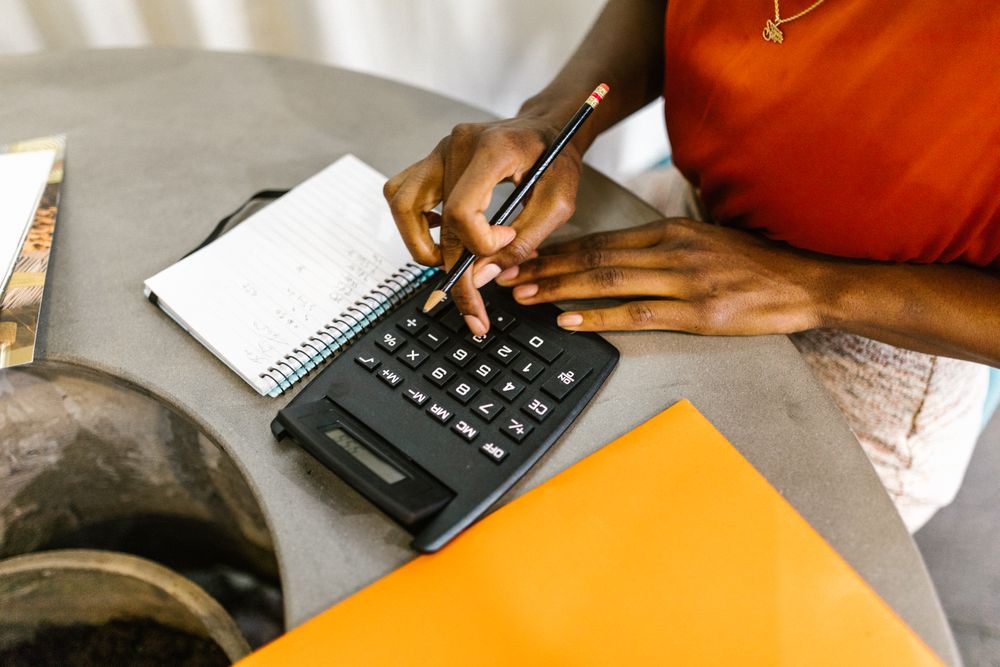
Step 2: split the budget
| Category | Share of budget | Ways to save |
|---|---|---|
| Transport | 25% (R1,500) | Share lifts, travel mid-week, book early |
| Accommodation | 35% (R2,100) | Off-peak dates, self-catering, family or friends |
| Food | 20% (R1,200) | Cook some meals, pack a cooler |
| Activities | 15% (R900) | Free beaches, parks, walks |
| Extras | 5% (R300) | Souvenirs and surprises |
The shares are a starting point. Change them to fit your trip.
Step 3: pick dates and place wisely
- Off-peak. Prices fall outside school holidays and long weekends.
- Closer to home. Fuel and travel time cost less.
- Flexible dates. Weekday travel is often cheaper. Compare two or three dates before you book, because a small shift can change the price a lot.
South Africa has plenty of options close to home. The South African Tourism site lists destinations by region.
Step 4: cut the big costs
- Choose self-catering rather than restaurants.
- Use a family member’s home or a house swap.
- Book early for deals, but check the cancellation terms.
- Travel in a group to share costs.
Step 5: pay with savings, not credit
Credit makes a holiday cost more. A trip loan or card balance adds interest, and the repayments run long after you are home. A first one-month R2,000 loan costs about R474 at the legal maximums. See personal loans for holidays.
Be careful with travel “deals” that ask for upfront payment through unusual methods. Check the seller and read reviews. See online loan scams for similar warning signs.
What if something goes wrong on your budget holiday?
Keep a small buffer for unexpected costs. Check insurance and what your credit card or medical aid covers. Keep copies of bookings and receipts.
How do you track spending?
Use a simple note on your phone. Record what you spend each day and compare it with your daily limit. Adjust the next day.
With R6,000 over a six-day trip, your daily limit is R1,000. If you spend R1,200 on day one, the remaining days drop to R960 each.
What about December?
December is the most expensive time. See December budget survival and festive season spending traps.
What do three kinds of budget holiday cost for a family of four?
Here is a hypothetical comparison for a four-night trip. It shows how much the choice of place and style changes the total.
| Plan | Estimated total |
|---|---|
| Staying with relatives, sharing meals | about R2,500 |
| Self-catering cottage or camping near home | about R4,200 |
| Coastal guesthouse, eating out | about R9,800 |
The first plan costs about a quarter of the third. The difference is mostly accommodation and food. If you have R6,000, the second option fits, with room for activities. If you have R3,000, the first does.
Prices vary by season and place, so get quotes, and add a small buffer. A budget holiday is about choosing a plan that fits the number.
What should you check before you book?
Bookings can hide extras. Before you pay, ask:
| Question | Why it matters |
|---|---|
| What is the total price, including all fees? | To avoid surprises at check-out |
| What is the cancellation policy? | You may need to cancel if plans change |
| What is the deposit, and is it refundable? | Your money is at risk |
| What is included in the price? | Bedding, parking, breakfast or electricity |
| Do reviews match the photos? | Check recent reviews and dates |
Pay by a method that leaves a record, such as a card or an EFT to a verified account. Be careful with deals that need an unusual payment method, and see online loan scams for similar warning signs.
What does a daily spending plan look like?
With a total of R6,000 for six days, the daily limit is R1,000. Here is a hypothetical daily split.
| Item | Per day |
|---|---|
| Accommodation | R350 |
| Food | R200 |
| Fuel and transport | R250 |
| Activities | R150 |
| Extras | R50 |
| Total | R1,000 |
Track the day’s spending in your phone. If one day goes over, adjust the next. A free day at a beach or a park can balance a more expensive one. Decide the limit before you leave, because it is easy to overspend when you are relaxed.
How do you save for a budget holiday in six months?
Divide the target by the weeks left. Here is a hypothetical example.
| Target | Time | Per week |
|---|---|---|
| R6,000 | 26 weeks | about R230 |
| R6,000 | 52 weeks | about R115 |
Open a separate account, and set a debit order on payday. If you cannot save R230 a week, extend the date or shrink the plan. Add windfalls, such as a tax refund or a bonus.
A holiday paid for in advance has no repayments afterwards, so you return home to a normal month, not a bill.
How do you stay safe with money while you travel?
A few habits protect you:
- Carry only the cash you need, and keep a card for the rest.
- Keep copies of your ID and booking details separate from the originals.
- Use ATMs inside shops or banks, and cover the keypad.
- Tell your bank if you are travelling a long distance, if that is its policy.
- Keep a small emergency amount separate from your daily money.
If your card is lost or stolen, call your bank immediately and block it. Then look at your holiday budget, and adjust.
What should you do when the budget holiday ends?
When you get home, check what you spent against the plan, and note one lesson for next time. If you came in under budget, move the leftover to the next trip fund.
A budget holiday leaves you with good memories and a normal bank balance, which is the real test of the plan. Start next year’s budget holiday fund with a small debit order, even R100 a month, so that the next trip is already underway.
Frequently asked questions
How early should I start saving for a budget holiday?
Six months ahead is a comfortable start, because the monthly amount stays small.
How much should I spend?
What you can afford without borrowing.
Is it cheaper to travel off-peak?
Often yes.
Should I use credit for a holiday?
Avoid it. See how to budget.
Do I need travel insurance?
Consider it for longer or foreign trips. Check what you already have.
What is the cheapest way to travel with a family?
Staying with relatives or friends, driving with a full car and cooking your own meals. Compare the cost of fuel with bus and taxi fares.
Is travel insurance worth it?
It can be for longer or foreign trips. Check what your credit card, medical aid or existing policies already cover first.
One free 5-minute form is sent to NCR-registered lenders. Each lender decides for itself and shows you the full cost before you sign.
Start my free application