PayShap Explained: Why Some Loan Payouts Reflect in Seconds
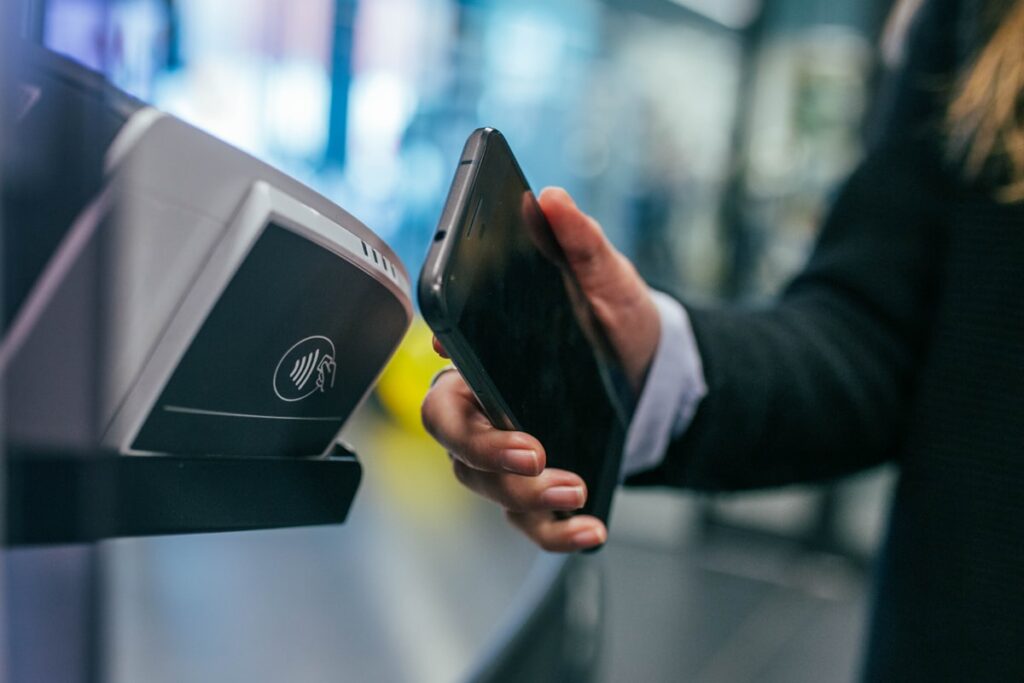
There used to be a small ritual after signing a loan agreement: refresh the banking app, wait, refresh again, phone someone. The money was “sent”, but sent and arrived were different countries.
PayShap closed that gap. Since its launch in 2023, money under R3,000 can move between participating South African banks in seconds — not “same day”, not “within an hour”. Seconds. If you have ever wondered how a loan payout beat you to the till, PayShap is the answer, and it is worth ten minutes of understanding.
What PayShap actually is
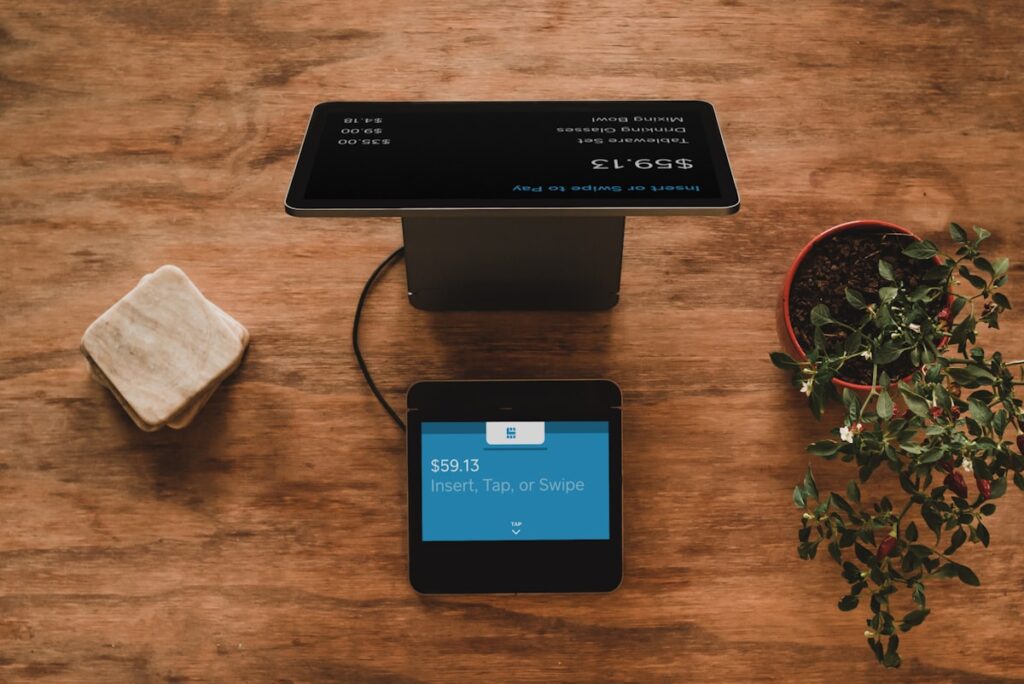
PayShap is South Africa’s rapid payments system, built by BankservAfrica — the same clearing house that has quietly moved the country’s money between banks for decades. The old inter-bank rails ran in batches, which is why a Friday-evening transfer used to surface on Monday. PayShap runs continuously, transaction by transaction.
It also introduced the ShapID: a proxy that lets you receive money against your phone number instead of handing out account numbers. Useful, optional, and not required for receiving a loan — lenders pay into your normal account, and the speed comes from the rail, not the alias.
What PayShap means when you borrow
A lender approving your application releases an EFT. What happens next depends entirely on which rail that payment rides. On the PayShap rail, amounts up to R3,000 typically reflect before you have closed the banking app. Above that, payments ride instant EFT, which most major banks clear inside an hour during business hours.
This is why the honest answer to “how fast is the payout?” is always: it depends on your bank and the amount. A R2,500 loan into a PayShap-enabled account is a seconds story. A R7,000 loan into the same account is an under-an-hour story. Our 1 hour payday loans page breaks the whole timeline down minute by minute if speed is your deciding factor.
A real example makes it concrete. Thandi in Soweto signs for R2,400 at 10:40 on a Tuesday to replace a tyre. Her lender releases the payment at 10:41. Because she banks with a PayShap participant and the amount sits under the ceiling, her balance updates before 10:42 — she is at the fitment centre by lunch. Her colleague borrows R6,500 the same morning: same lender, same speed of approval, but his payout rides the instant EFT rail and lands at 11:15. Neither experience is wrong; they are two lanes of the same highway, split by amount.
Which banks are on PayShap

The big retail names are all connected: Capitec, FNB, Standard Bank, Absa, Nedbank, TymeBank, African Bank and Discovery Bank all support PayShap payments. Coverage keeps widening — the system was built to become the national standard, not a premium feature.
The stragglers are typically smaller banks and some business accounts. If your account lives at one of those, payments fall back to standard EFT and the old batch rhythm, which can mean hours instead of seconds. Worth knowing before an emergency, not during one.
What PayShap does not change
The rail moves money; it does not approve loans. The affordability assessment still takes its twenty-odd minutes, the pre-agreement quote still has to be read (please read it), and your signature still starts the clock. PayShap only shrinks the very last segment — the gap between the lender releasing payment and your balance updating.
It also keeps banking hours in one important sense: lenders release payments during business hours. Sign at 22:00 and the fastest rail in the country will still be waiting for the morning shift. And amounts above R3,000 simply do not qualify for the seconds-fast lane — that ceiling is set by the system, not by any lender.
Three ways to get paid faster

First, bank where PayShap lives — if fast payouts matter to you and your bank is not connected, that is fixable. Second, apply weekday mornings, when lender decisions and payment releases move quickest. Third, if the emergency fits inside R3,000, borrow inside R3,000: a smaller amount on the fast rail beats a rounder number waiting on the slow one. The application itself takes the same five minutes either way — the payday loans online guide walks through it screen by screen.
None of this requires you to change banks today. It only asks that you know which lane your account lives in before the day you genuinely need the fast one — because that is the one detail no lender, however quick, can fix on your behalf.
Frequently asked questions
Is PayShap safe?
It runs on the same regulated clearing infrastructure as the rest of South African banking, operated by BankservAfrica under the South African Reserve Bank‘s oversight. The rail is not the risk — sending money to the wrong person is, so treat ShapID payments with the same care as any transfer.
Does PayShap cost anything?
Fees are set by each bank, and several price small PayShap payments free or close to it. Receiving a loan payout costs you nothing — the sender carries the transaction.
Do I need to register for PayShap to receive a loan?
No. Lenders pay into your ordinary account number. A ShapID is an optional alias for person-to-person payments, not a requirement for payouts.
Why did my R5,000 loan take an hour when adverts promise seconds?
The seconds-fast PayShap lane covers amounts up to R3,000. Larger payouts ride instant EFT, which typically clears within the hour during business hours. Both are working as designed — they are just different rails.
One free form reaches NCR-registered lenders that pay out on the fast rails.
Start My Free Application
InstantFund is a free loan-matching service, not a lender or a bank. PayShap is operated by BankservAfrica; availability and fees depend on your bank. Loans are provided by NCR-registered credit providers under the National Credit Act 34 of 2005. Borrow responsibly.