School Fees in January: Covering the Back-to-School Pile
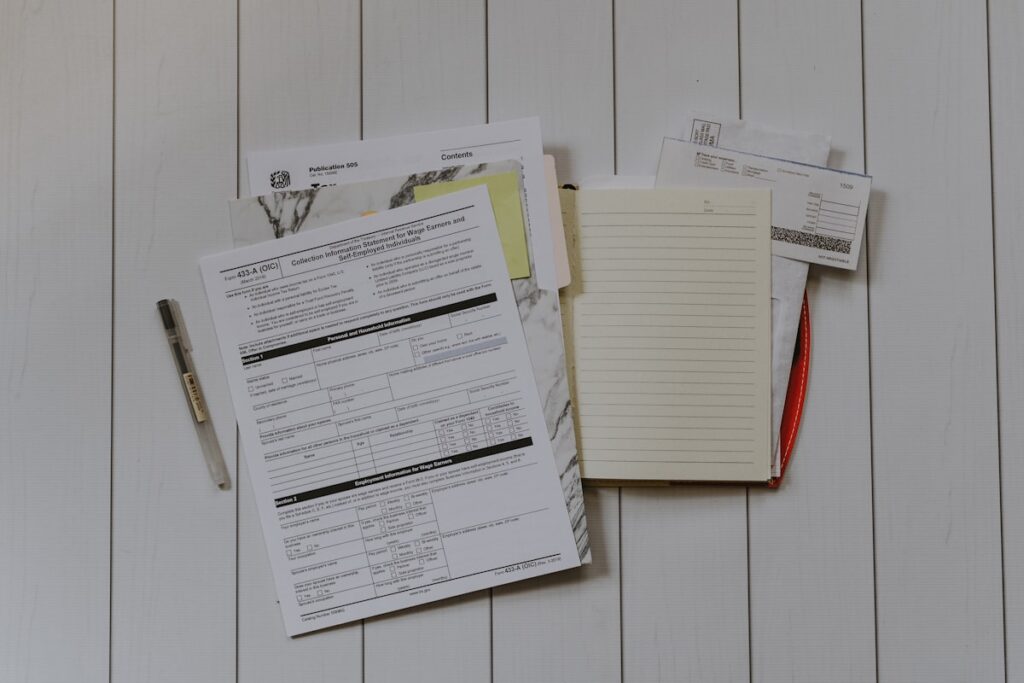
January does not send one school bill. It sends five at once: the fees deposit, the uniform, the stationery list, the transport arrangement, and the “small” extras — raincoat, calculator, sports kit — that quietly total another grand.
Every year the same collision, and every year it lands in the exact month the December salary was stretched thinnest. So here is the calm version: what must be paid now, what legally cannot be forced, and six ways to cover the pile without wrecking February.
First: what schools can and cannot do about school fees

At a public school, a learner cannot be turned away, excluded from class, or denied a report card because school fees are outstanding. That is the law, not a favour. The school can pursue the debt with the parents — it cannot punish the child.
Knowing that changes the January conversation. You are not begging for mercy; you are arranging payment of a civil debt, from a position the law deliberately gave you. Private schools are contract territory and play by different rules — read yours.
The fee exemption almost nobody applies for
Public fee-charging schools must consider exemption applications, and the maths is generous: where school fees exceed ten percent of a household’s combined income, a full or partial exemption is on the table. Single parents, grant households and families with more than one child at the school often qualify without realising it.
The application goes to the school governing body — ask the office for the form, attach proof of income, and apply even if you are unsure. The worst outcome is a partial discount; the common outcome is relief that was sitting unclaimed.
Talk to the school before the term starts
Schools budget on predictability, which means a parent proposing a payment plan in January is worth more to them than one who disappears until March. A simple written arrangement — school fees split across ten months, debit after payday — gets accepted far more often than parents expect, because the alternative costs the school collection fees.
The uniform and stationery pile, halved
The school fees are only part of the pile — the uniform swap-shop at the school — or the WhatsApp group of last year’s parents — is the single biggest saving January offers. Children outgrow blazers faster than blazers wear out; someone has your size, nearly new, for a third of retail.
Stationery: buy the generic brands for everything the list does not name specifically, and buy the named items only where the school genuinely checks. Label everything — half of February’s “lost” stationery is standing in another child’s bag — and keep the till slips, because the specials rotate between retailers all month.
Stage the costs — January does not need everything on day one
Separate the pile into now, February and March. Now: registration requirements, one full uniform, the core stationery. February: the second set of shirts, the sports kit that season has not started. March: the nice-to-haves. Schools care that the child arrives equipped to learn — not that every list item arrived in week one.
If a gap remains: borrow the gap, not the pile

Once exemption, payment plan and staging have shrunk the number, what remains of the school fees and kit is a real figure — often a quarter of the original fright. If that gap still will not fit January, a 3-month instalment loan spreads it past the worst month, and a mini loan covers a small shortfall without over-borrowing. Every lender we match is NCR-registered, quotes the total cost in writing, and checks the repayment fits your month before anything is signed.
The one rule: the loan covers school essentials already minimised — not the full retail fantasy of the January list. Education is worth borrowing for; brand-name pencil cases are not. Our januworry survival guide covers the rest of the month’s triage.
Last practical point: put next year’s school fees into this year’s plan. Ten months of small transfers into a named pocket — “January 2027” — turns the scariest bill of the year into a non-event, and several schools discount school fees paid upfront enough to fund the uniform on their own. The families who look calm every January are not richer; they started in February. Same trick, twelve months of runway.
Frequently asked questions
Can a public school refuse my child over unpaid school fees?
No. A public school may not exclude a learner, withhold a report or block admission over unpaid fees. Fee collection is a separate civil matter between the school and the parents.
How does the school fee exemption work?
At public fee-charging schools, parents can apply to the governing body for a full, partial or conditional exemption based on income. If the fees exceed ten percent of your combined income, you have a strong case — ask the school office for the form.
Is it better to pay school fees annually or monthly?
Many schools discount upfront annual payment — worth taking if a 13th cheque or savings can cover it. If not, monthly with a debit order set after payday keeps the year smooth.
Should I take a loan for school fees?
First exhaust the free options: exemption, payment plan, second-hand uniform. If a gap remains, a short instalment loan sized to it — from an NCR-registered lender — beats missing the essentials or bouncing debits.
One free form, NCR-registered lenders, instalments that respect February.
Start My Free Application
InstantFund is a free loan-matching service, not a lender. School fee rights described here apply to South African public schools under the Schools Act; confirm specifics with your school or provincial education department. Loans are provided by NCR-registered credit providers under the National Credit Act 34 of 2005. Borrow responsibly.