Mashonisa vs Registered Lender: The Real Cost, Compared
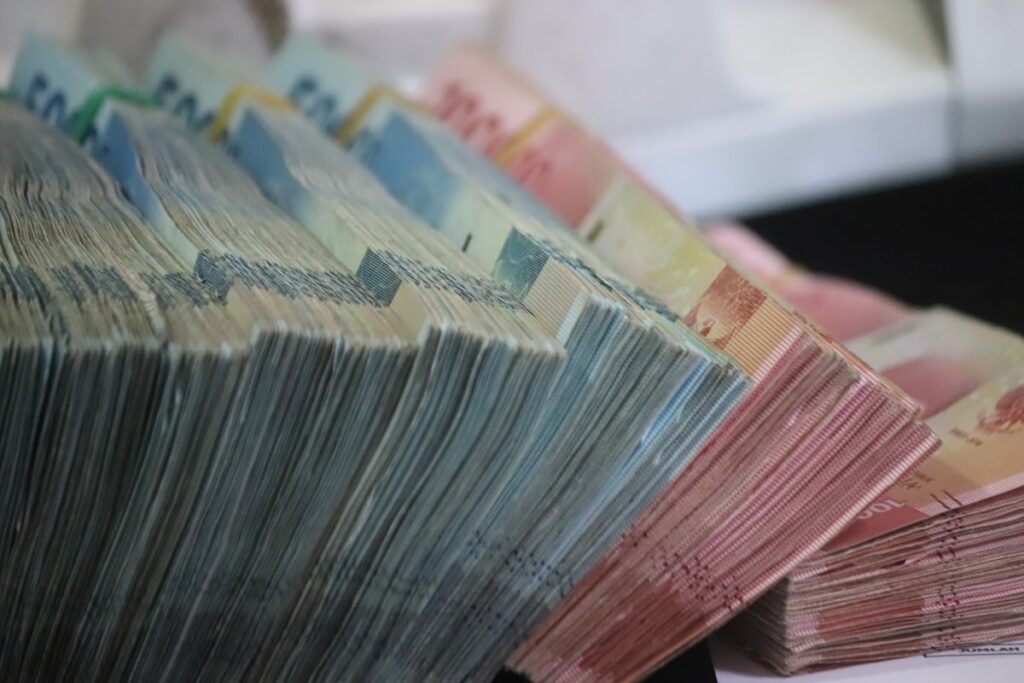
Every neighbourhood has one. The person who lends R500 on a Tuesday with no forms, no queue and no questions — because they live three doors down and know your payday better than your bank does. In much of South Africa the mashonisa is not a shadowy figure; it is a neighbour with a notebook.
What the notebook does not show is the price. So let us put the informal and the registered option side by side, in Rand, and let the numbers do the talking.
Why the mashonisa wins customers — honestly
Speed: the money is in your hand the same hour. Proximity: no town trip, no data needed. Dignity, oddly enough: no forms asking why your December went wrong. And flexibility a bank will never match — the repayment conversation happens over a fence, human to human.
Any honest comparison starts by admitting all of that. The formal system lost these customers for decades by being slow, distant and paperwork-heavy. The question is only whether the convenience still justifies the price — because the price is not close.
The real cost, in actual Rand

The informal standard in most areas is “fifty percent” — borrow R1,000, repay R1,500 at month-end. Miss it, and the R1,500 becomes the new capital: next month R2,250. Two missed months turn R1,000 into more than double, and the notebook never shows the maths until you are inside it.
A registered short-term loan for the same R1,000 is capped by the National Credit Act: five percent monthly interest plus regulated fees, everything totalled in writing before you sign. The gap between those two numbers — month after month — is the entire argument of this article, and a mashonisa cannot close it, because closing it is what registration means.
The collateral problem nobody should accept
The informal market’s ugliest habit: holding an ID book, bank card or SASSA card — sometimes with the PIN — as “security”. This is illegal. Not frowned upon: illegal. A held SASSA card means someone else stands between a grant and the household it feeds, and no debt justifies that arrangement.
If your documents are being held right now, you can report it to SAPS and the National Credit Regulator. The document is yours by law, whatever is owed.
What the law actually says
Lending money as a business in South Africa requires NCR registration — that applies from the biggest bank down to the busiest street lender. An unregistered loan sits outside the law, which cuts both ways: the lender operates illegally, and the borrower holds none of the protections the Act built. No capped costs, no written quote, no complaints route, no reckless-lending shield. The offence is the lender’s; the exposure, unfortunately, is yours.
The same speed now exists, registered

The mashonisa’s trump card was always speed — and that card has quietly expired. A registered mini loan today runs from phone to payout inside an hour: five-minute form, twenty-minute decision, money reflecting via PayShap for small amounts. Same-day, same-hour money, with the costs capped and the ID book staying in your pocket.
The trade-off that remains is real: the registered route needs a bank account, an ID number and provable income — three things the fence conversation never asked for. For anyone with those three, the price comparison has a clear winner. Our PayShap guide shows exactly how fast the registered rail has become.
Switching from the notebook to the system

The path is shorter than it looks. Bank every Rand you earn for three months — visible income is the formal system’s only language. Start with a small registered loan, repay it on the date, and let the credit record begin saying what the neighbour always knew: this person pays. Two clean agreements later, the system that once felt closed is quoting you capped rates in writing.
And settle the informal debt first if one is running — at fifty percent a month, it outruns any plan built on top of it. One clean exit, then build on ground the law actually covers.
None of this asks anyone to shame the neighbour with the notebook — in plenty of communities the mashonisa was the only credit system that ever showed up. It asks something simpler: that the comparison now happens with real numbers on both sides. When the same-hour money exists at a tenth of the monthly cost, loyalty to the notebook becomes the most expensive habit on the street.
Frequently asked questions
Is borrowing from a mashonisa illegal?
Lending money as a business without NCR registration is unlawful — the offence sits with the lender, not the borrower. You break no law by borrowing; you just lose every protection the law would have given you.
Can a mashonisa keep my ID book or SASSA card?
No. Holding someone’s ID, bank card or SASSA card as security is illegal, full stop. If yours is being held, you can report it to SAPS and the NCR — the document is yours by law.
Why do people still use a mashonisa?
Speed, proximity and no paperwork — real advantages, honestly earned. The point of this article is not that people are foolish; it is that registered lending now matches the speed while capping the cost.
What interest does a mashonisa charge versus a registered lender?
Informal rates commonly run thirty to fifty percent per month — sometimes more. Registered short-term credit is capped at five percent per month plus regulated fees, with the total disclosed in writing before you sign.
One free form, NCR-registered lenders, capped costs — and your ID stays with you.
Start My Free Application
InstantFund is a free loan-matching service, not a lender. Informal rates cited reflect commonly reported practice and vary by area. Loans through our panel are provided by NCR-registered credit providers under the National Credit Act 34 of 2005. Borrow responsibly.