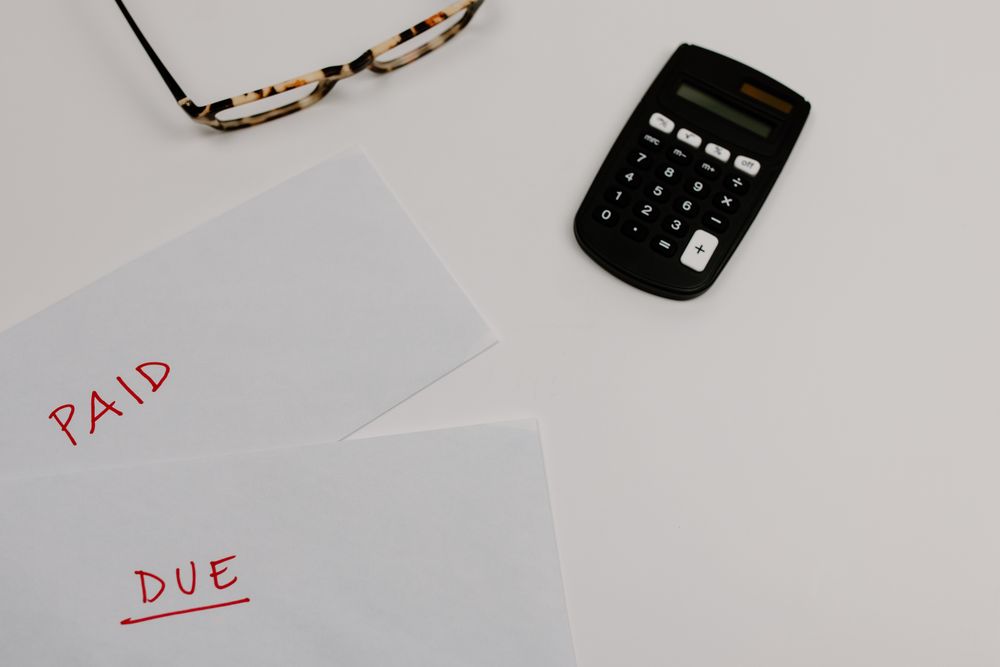
Mid-Year Money Check-Up: Take Stock and Take Charge

June is a quietly important month for your money. The year is exactly halfway done, which means the resolutions and goals set with such determination in January are now either on track or, more often, quietly forgotten. It is the perfect moment to stop, take stock, and course-correct, yet almost nobody does. We review our finances at year-end, if at all, when it is too late to change the year.
A mid-point money check-up fixes that. By reviewing where you stand at the halfway mark, you get to measure your progress, catch what is drifting, and adjust your plans while there is still half a year to act. It is one of the most useful financial habits you can build, and this guide walks through exactly how: what to review, how to respond to what you find, and how to make the most of the second half of the year. Consider this your mid-year checkpoint.
Why a mid-year check matters
A mid-year check matters because six months is long enough for a lot to change, and long enough for good intentions to quietly slip. The goals you set in January, save more, clear a debt, build a cushion, are easy to lose sight of by June. A mid-year review brings them back into focus, letting you see clearly how the first half of the year actually went.
Crucially, half-year is a moment when you can still act. Unlike a year-end review, which looks back on a year already gone, a mid-year check-up leaves you half the year to course-correct. If you are behind, there is time to catch up; if you are ahead, there is time to push further. This is what makes the mid-year point so valuable: it is a checkpoint with the year still in play. Treating June as a deliberate moment to review your money, rather than letting it pass unnoticed, is what turns January’s intentions into December’s results.
Review your goals and resolutions
The natural starting point for a mid-point check-up is the goals and resolutions you set at the start of the year. Pull them out, honestly, even if you have not looked at them since January, and measure your progress. Are you on track, ahead, or behind? Which goals are thriving, and which have stalled? This honest assessment is the heart of the mid-year review.
Our guide on setting money resolutions stressed that goals need reviewing to survive, and mid-year is exactly when that review pays off. If you have fallen behind on some, that is completely normal, the mid-point check is for adjusting, not judging. The point is to notice where you stand and decide how to respond with the remaining months. Reconnecting with your goals at mid-year, and being honest about progress, is what stops them from fading into forgotten intentions and keeps them as live targets you are actively working toward.
Check your budget against reality
Next in your mid-year check-up, examine your budget and compare it honestly with what has actually happened over the first half of the year. Budgets drift, costs creep up, income changes, and a budget written in January may no longer reflect your reality by halfway. This is the moment to update it.
Our guide on how to budget covers the basics, and the mid-year version is about maintenance, adjusting the plan to fit your life now and catching where money has been leaking. This review often reveals spending that crept up unnoticed or categories running hot, which you can correct for the second half. A mid-year budget check ensures the plan you are living by is grounded in current reality rather than outdated assumptions. Refreshing your budget at the halfway point keeps it accurate and useful, which sets up everything else in your half-year review and the months that follow.
Assess your savings and cushion
A key part of any mid-year check-up is assessing your savings and emergency fund. Ask honest questions: is your cushion where you hoped it would be by mid-year? Has it grown, or been raided and not refilled? Are you saving toward your goals at the pace you planned, or has that quietly slipped? The halfway point is ideal for checking your savings trajectory.
Our guide on how to save money helps if this is the weak spot. If your savings have fallen behind by mid-point, there is still half the year to catch up, perhaps by increasing your automated saving or plugging spending leaks. If they are on track, the mid-year check confirms it and lets you keep going with confidence. Reviewing your savings at mid-year ensures your safety net and your goals are progressing, and gives you time to boost them if they are not, rather than discovering a shortfall only at year-end.
Assess your debt progress
If reducing debt was among your goals, the mid-point check-up is the moment to measure how it is going. Look at your debts and their balances: are they falling as planned, or have they stalled or grown? Seeing your debt progress laid out at mid-year tells you whether your repayment strategy is working and whether it needs adjusting for the second half.
If your debt is falling as intended, the mid-year review is encouraging confirmation to keep going. If it has stalled, there is still time to change approach, refocusing on high-interest debt, adjusting your budget to free up more, or considering options if debt has become a struggle. A halfway debt check catches a repayment plan that has drifted before the whole year is lost. Assessing your debt at the halfway point, honestly and specifically, ensures that this often-central financial goal stays on track through the second half rather than quietly slipping away unmeasured.
Check your credit
A mid-year check-up is also a good time to review your credit record, a step people skip but shouldn’t. You are entitled to check your credit report, and doing so at mid-year lets you see where your credit health stands and catch any errors, which are common, before they cost you. It fits naturally into the broader review.
Checking your credit never harms it, and a half-year review is a sensible rhythm for it. If you set a goal to improve your credit this year, this is where you measure progress. If you spot an error, you can dispute it. Our guide on running a full financial check-up covers the credit review in detail. Including your credit in your mid-year check-up keeps this quietly important number under regular review, ensuring it is accurate and moving in the right direction, with half the year still available to act on whatever you find.
Adjust your plans for the second half
The whole point of a mid-point check-up is not just to review but to adjust, using what you have found to set your course for the second half of the year. Based on your progress, revise your goals where needed: bring forward ones that are ahead, reset ones that have stalled, add new ones that have become important, and retire any that no longer fit.
Our guide on setting financial goals helps you refine them. This forward-looking step is what turns a mid-year review from a passive stock-take into an active plan. Having half the year still ahead means your adjustments have real time to make a difference, unlike a year-end review that can only inform next year. Adjusting your plans at mid-year, honestly and practically, is how you make the most of the remaining months, ensuring the second half of the year is more deliberate and productive than the first, whatever the first half held.
Plan for the rest of the year
A mid-point check-up is also the ideal moment to look ahead at the predictable costs and events still to come, so none of them catch you out. From June, the winter expenses are here or approaching, and the festive season and back-to-school costs lie ahead. Planning for these now, rather than being ambushed later, is a valuable part of the mid-year review.
Setting aside money for known upcoming costs, through sinking funds, over the second half means the festive season and the new year arrive covered rather than as a financial shock. This forward planning is one of the practical rewards of a mid-year check-up: it lets you prepare calmly for the rest of the year’s predictable demands. Using the halfway point to map out and start saving for what is coming ensures the second half of the year, including its expensive end, is met with preparation rather than panic, which is exactly what a good review should set up.
Making it a habit
The real value of a mid-year check-up comes when it becomes a regular habit, one of two anchor reviews each year alongside a year-end one, ideally with a quick monthly glance in between. Tying the fuller review to fixed moments, mid-year and year-end, means it happens reliably rather than being forgotten, which is what gives it its power.
The biggest mistake is skipping the half-year review because January feels long ago, or judging yourself over slipped goals instead of simply adjusting. Approached as a routine, non-judgemental checkpoint, the mid-year check-up quietly keeps your finances on track year after year. Like any maintenance habit, it feels like effort at first and pure reassurance later, when you realise how much calmer and more controlled your money feels. Anchor your financial year around a mid-year and a year-end review, and you rarely get the nasty surprises that catch people who only look at their money when something has already gone wrong.
Mid-year check-up myths
A few myths stop people doing a mid-year review. That it is pointless because the year is half gone, false, half the year remains to act. That it is only worth doing if you are on track, untrue, it is most valuable when you are behind and can still adjust. That it is the same as beating yourself up over slipped goals, no, it is about adjusting, not judging. That only people in trouble need one, wrong, it is prevention for everyone.
These myths lead people to skip a genuinely valuable checkpoint. The reality is more encouraging: a mid-year check-up is a forward-looking, non-judgemental review that lets anyone, ahead or behind, make the most of the second half of the year. By reviewing your goals, budget, savings, debt and credit at the halfway point and adjusting for what remains, you turn January’s intentions into real results. Replacing the myths with the habit of a mid-point review is one of the simplest ways to keep your finances on track all year round.
People also ask
When is the best time for a mid-year check-up? Around June, the halfway point of the year, so you have measured the first half and can still act on the second. It is a natural checkpoint.
What if I did not set goals in January? No problem, use the mid-year review to set goals now for the second half. It is never too late to start planning and tracking your money.
How long does a halfway check-up take? Often an afternoon for a thorough one, less once it is a habit. The time is small relative to the value of catching drift early.
Should I do both a mid-year and year-end review? Yes, two anchor reviews a year, plus quick monthly glances, keep your finances on track far better than a single annual look.
Frequently asked questions
What is a mid-year money check-up?
A half-year money check-up is a review of your finances at the halfway point of the year: your goals, budget, savings, debt and credit. It lets you see how the first half went and adjust for the second. A mid-year review catches problems early and keeps your money plan on track.
Why do a mid-year review?
Because a lot changes in six months, and January goals are easily forgotten. A mid-point check-up lets you measure progress, fix what is not working, and adjust for the rest of the year while there is still time. It turns good intentions into results by keeping them under review.
What should a mid-year check-up include?
Review your goals and resolutions, check your budget against reality, assess your savings and emergency fund, look at your debt progress and credit, and adjust your plans for the second half. A thorough mid-year review touches each part of your money so nothing has quietly drifted off course.
How is a mid-point check different from a full financial check-up?
It is essentially the same review, timed to the halfway point of the year, with a focus on progress against the goals you set in January. A mid-year check-up is a natural checkpoint, letting you course-correct with half the year still ahead rather than waiting for December.
What if I have fallen behind on my goals by mid-year?
That is common and fixable. A halfway check-up is for adjusting, not judging. If you are behind, revise the goal, change your approach, or reset, using the remaining months. Falling behind at mid-year is normal; the point is to notice and respond rather than give up entirely.
How often should I check my finances?
A quick monthly glance plus a fuller review once or twice a year works well, and mid-year is an ideal moment for one of those deeper reviews. Regular check-ins, anchored by a half-year and a year-end review, keep your finances on track far better than only looking when something breaks.
Can a mid-year check-up help me save more?
Yes. Reviewing your budget and spending at mid-year often reveals leaks to plug and room to save more, and adjusting your plan for the second half puts that into action. A mid-point review frequently frees up money simply by catching drift and refocusing your spending.
Is mid-year too late to fix my finances?
Not at all. Mid-year is the perfect time, with half the year still ahead to act on what you find. Whether you are ahead or behind, a mid-year check-up lets you make the most of the remaining months rather than waiting for a new year to start over.
If borrowing is the sensible fix, one free application compares NCR-registered lenders with the full cost upfront, so it fits your second-half plan rather than derailing it.
Compare My Options Free
Final thoughts
June’s halfway point is one of the most useful and most overlooked moments in your financial year. A mid-year money check-up lets you measure how the first half went, review your goals, budget, savings, debt and credit, and, crucially, adjust your plans while there is still half a year to act. It turns the resolutions you set in January from forgotten intentions into results you can still achieve.
Approach it as a checkpoint, not a judgement: notice where you stand, fix what is not working, plan for the predictable costs ahead, and refocus for a stronger second half. Make a mid-year review a regular habit alongside a year-end one, and you will rarely be caught out. Whether you are ahead or behind, halfway is the perfect time to take stock and take charge, giving the rest of your year the direction it deserves. For free money-management guidance to support your review, the National Credit Regulator is a helpful reference.
InstantFund is a free loan-matching and comparison service, not a credit provider, bank or lender, and does not provide financial advice. Guidance here is general information only. If you choose to borrow, loans are provided by NCR-registered credit providers, and you should borrow only what you can comfortably repay.