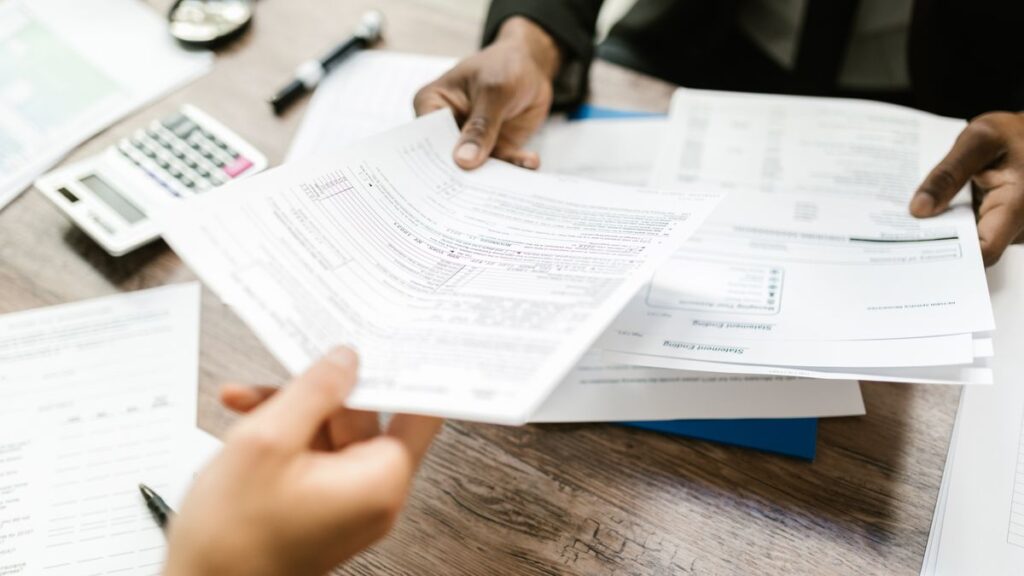
A tax refund feels like a gift, but it is your own money coming back. Used well, it can clear a debt or build a cushion. Used badly, it vanishes in a weekend.
Here is a simple order for a tax refund, and the one trap to avoid.
Why do you get a tax refund?
During the year your employer deducts tax (PAYE) based on estimates. If you paid more than you owe, for example because of deductions such as retirement annuity contributions or medical expenses, SARS pays the difference back after assessing your return.
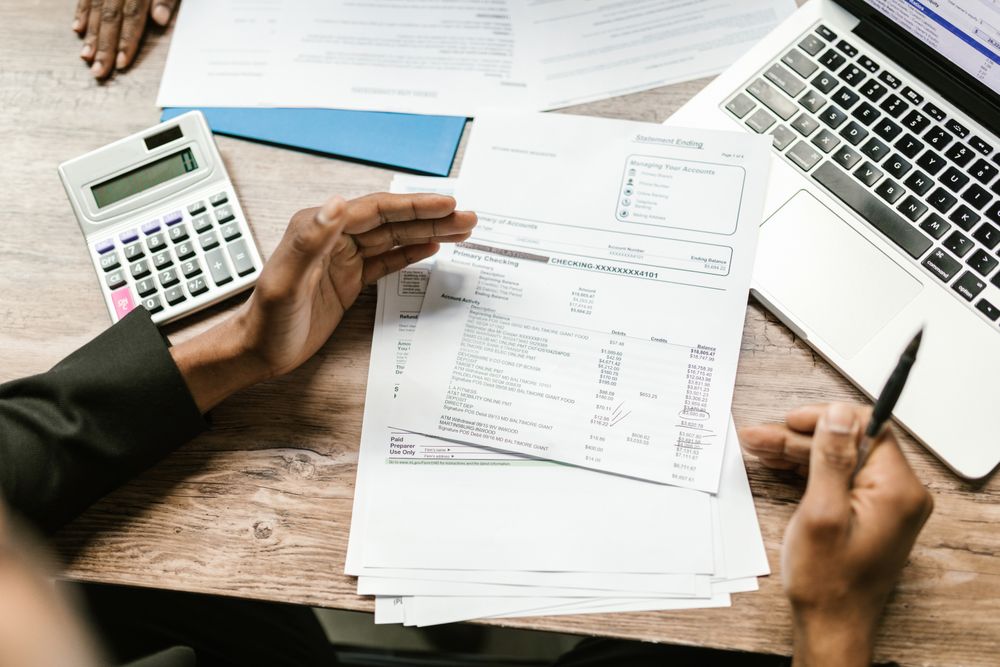
What is a smart order for using a tax refund?
| Priority | Why |
|---|---|
| 1. Costly debt | Interest on store accounts, cards and short-term loans is high, so paying it off saves more than savings earn |
| 2. Emergency fund | A buffer stops small shocks becoming loans. See emergency fund |
| 3. A real upcoming cost | School fees, a car licence, annual insurance. See sinking funds |
| 4. A savings goal | A deposit or an annual cost |
| 5. A small treat | Planned, so you do not feel guilty |
Here is a hypothetical example for a refund of R4,800.
| Use | Amount |
|---|---|
| Clear a store account | R2,000 |
| Emergency fund | R1,000 |
| School costs | R1,000 |
| Treat | R800 |
What is the trap?
Do not borrow against a refund before SARS pays it. Offers of an “advance on your refund” can carry high fees, and the refund may come later or be smaller than expected.
At the legal maximums, a first one-month R1,000 loan can cost about R309. See what a R1,000 loan costs.
SARS may also hold or reduce a refund if it finds a mistake or a debt. Wait until the money is in your account.
How do you make sure the refund reaches you?
- File on time. See tax season.
- Check your banking details on eFiling. Wrong details delay refunds.
- Respond quickly if SARS asks for supporting documents.
- Keep records of your deductions.

How do you avoid tax refund scams?
SARS does not ask for your eFiling password, and you should not pay anyone a fee to “release” a refund. See online loan scams for similar warning signs.
Be careful with SMS or email links claiming a refund. Log in through the SARS website or app yourself.
What if you owe SARS?
Pay, or arrange payment. Ignoring a tax debt can lead to penalties and interest. Speak to SARS about a payment arrangement.
What if you do not get a refund?
Many people do not. You can build the same effect by saving monthly. See how to save money.
Where does a tax refund come from, in rand?
A refund appears when the tax taken from your pay during the year is more than the tax you owe on your return. Here is a hypothetical example, using an assumed marginal tax rate of 31%. Your own rate depends on your income.
| Item | Amount |
|---|---|
| You pay into a retirement annuity | R18,000 over the year |
| Tax you may save on that, at an assumed 31% | about R5,580 |
| Tax already paid through payroll | Unchanged |
| Possible effect on your tax refund | up to about R5,580 |
Retirement annuity contributions are deductible within SARS limits, so a contribution can lower your taxable income and bring a larger refund. SARS limits and rules change, so check the SARS website before you plan around any figure.
The point is that a tax refund is not random. It follows from what you paid, what you deducted and what you could claim.
Why might your tax refund be late?
Most delays have ordinary causes. Check these in order if yours has not arrived:
| Possible reason | What to do |
|---|---|
| The assessment is not yet finalised | Check the status on eFiling or the SARS app |
| SARS asked for supporting documents | Upload them quickly and keep proof |
| Your banking details do not match | Update them on eFiling and verify the account |
| You owe SARS or have an outstanding return | Pay or file, and the refund can follow |
| The return was selected for review | Respond to requests and wait for the outcome |
The bank account must be in your own name. If the details were wrong, correcting them and confirming with SARS is faster than waiting. Avoid anyone who offers to “speed up” a refund for a fee.
How do you plan the refund before it arrives?
Plans made before the money lands are much more likely to be followed. Here is a hypothetical R6,000 refund, split in advance.
| Use | Amount |
|---|---|
| Pay off a store account with high interest | R2,500 |
| Emergency fund | R1,500 |
| January school costs | R1,000 |
| Savings goal | R500 |
| A planned treat | R500 |
Write your own version in your phone’s notes, and share it with whoever you manage money with. If the refund is smaller, cut the lower priorities first, never the debt or the emergency fund.
When the money arrives, move it on the same day, because money left in your main account is easy to spend.
How can you tell a real SARS message from a scam?
Scammers use refund season to target people who are expecting money. Compare any message with this table.
| What the message says | What is true |
|---|---|
| “Click here to claim your refund” | SARS does not send refund links. Log in yourself |
| “Send your eFiling password” | SARS never asks for passwords |
| “Pay R500 to release the refund” | There is no fee to receive a refund |
| “Your refund is waiting, reply within 24 hours” | Pressure is a warning sign |
If you receive one, delete it, and report it through SARS’s official channels. Our guide to online loan scams shows how the same tricks work for loans.
What should you do if the refund arrives with a bill due?
A refund and a bill in the same week create a temptation to spend it all. Before you do, return to the plan you wrote. Pay the bill only if it was on the list, or if it carries a penalty for paying late.
Otherwise, move the planned amounts first, and let the rest cover the bill.
If the refund is smaller than expected, cut from the bottom of your list, and keep the emergency fund. A tax refund should leave you better off, not push you to borrow to make up the difference.
Frequently asked questions
Can SARS use my refund to pay a debt?
SARS can offset a refund against tax you owe. Check your eFiling statement.
How much will I get?
It depends on the tax you paid and your deductions. Your assessment shows the amount.
Should I use my tax refund to settle a loan?
If the loan is expensive, often yes. See settling a loan early.
How long does a refund take?
It varies. Check your assessment status on eFiling or the SARS app.
Can I spend my tax refund before it arrives?
It is safer not to. A refund can be smaller than expected or delayed, and borrowing against it can cost more than it is worth.
Is a tax refund taxable?
No. It is a return of tax you overpaid, not extra income. Check the SARS assessment for the details.
One free 5-minute form is sent to NCR-registered lenders. Each lender decides for itself and shows you the full cost before you sign.
Start my free application